Mammas do let your babies grow up to be musicians
By
Mammas do let your babies grow up to be musicians

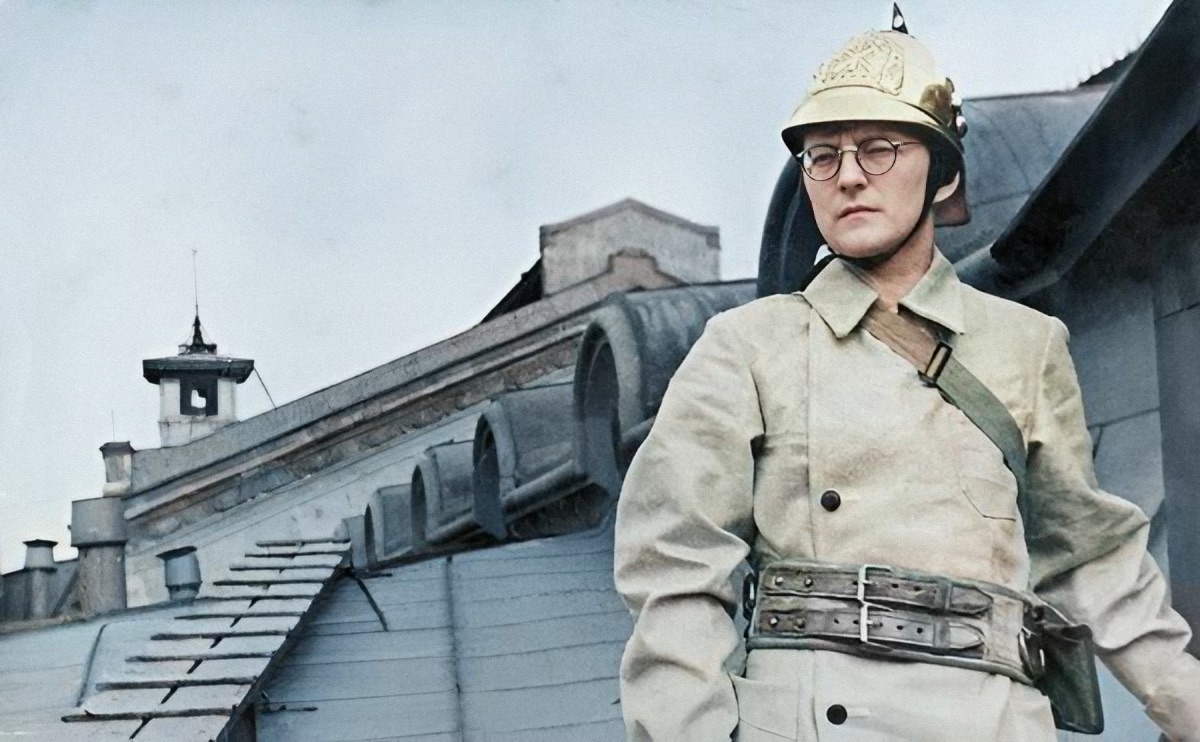
This summer we’ll be performing Shostakovich’s First String Quartet – his initial foray into the world of quartet writing. That’s pretty cool, right?
As quartet cycles go, Shostakovich’s fifteen are central to the repertoire, along with the Bartók cycle (6 quartets), Mendelssohn (5), and the big daddy of them all, Beethoven (15). Composers like Mozart, Schubert, and Brahms wrote plenty of quartets but for some reason we don’t really talk about them in terms of performable “cycles.” In the case of Haydn, it would be quite the feat since he wrote eighty-three quartets!

But back to Shostakovich. I enjoy setting difficult goals and then working towards them. Case in point: insanely programming Alban Berg’s “Lyric Suite” at NCMF on one week of rehearsal, or a bonkers 471-mile fundraising bicycle ride from Philly to Newburyport.
Shosty 1 is different. You can kind of sit down and play it without stressing out. It just feels good and sounds good. Maybe not everything worthwhile has to involve struggle - Per ardua ad astra? Pshaw!


Below is an excellent program note by Eric Bromberger who nicely has allowed me to reprint this.
String Quartet No. 1 in C Major, Opus 49
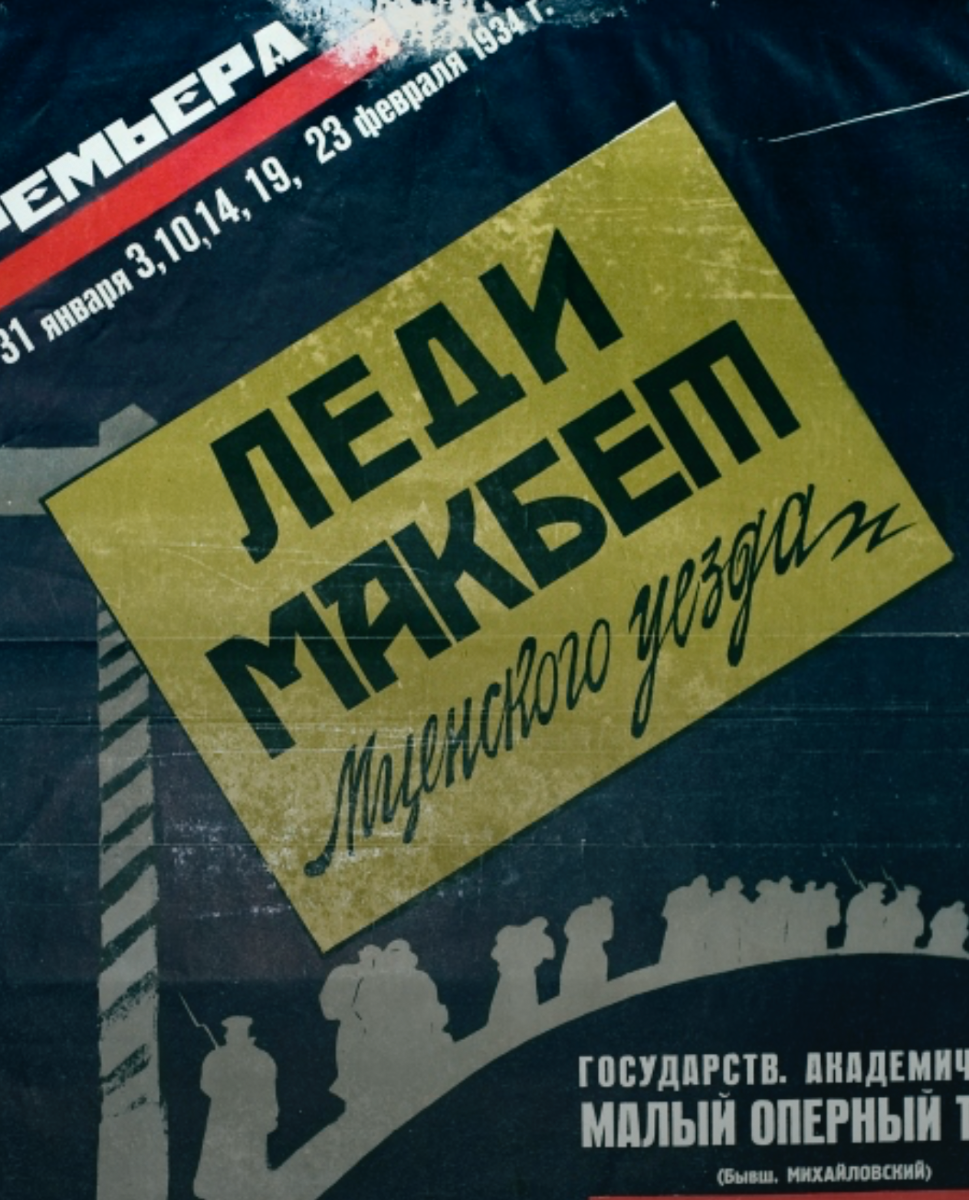
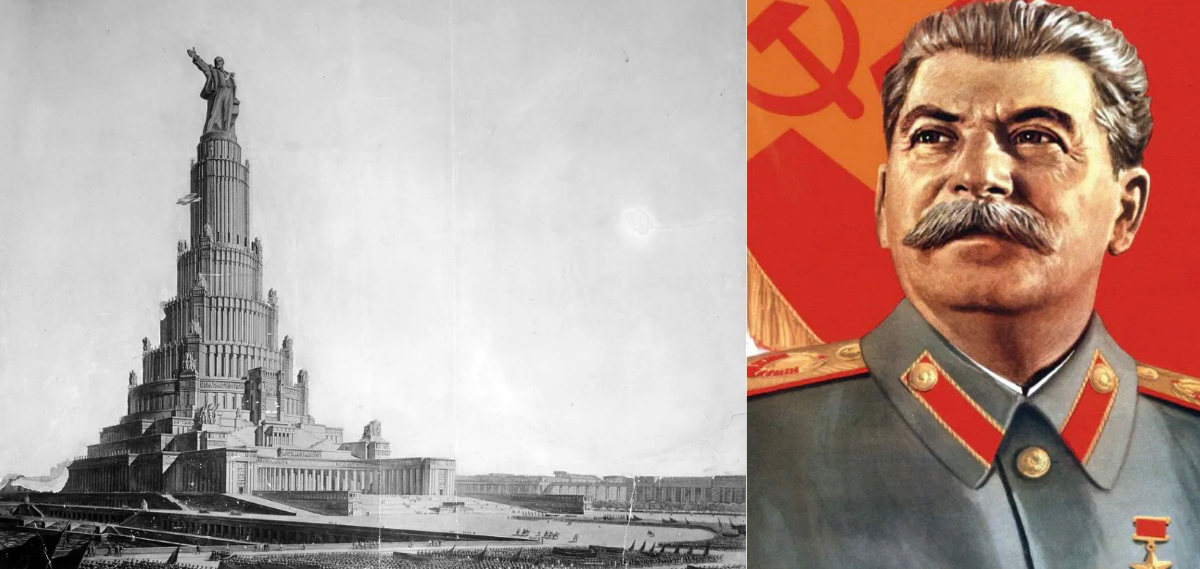
Shostakovich wrote his First String Quartet during a defining interlude in his career. He had achieved international fame at age 20 with his First Symphony, and his 1934 opera Lady Macbeth of the Mtsensk District–with its explicit sexual content and sordid events–had reinforced that reputation during performances as far away as Cleveland, London, Zurich, Stockholm, and Buenos Aires. The young composer was hailed at home as a product of the communist system (the opera “could have been written only by a Soviet composer brought up in the best traditions of Soviet culture”), but that giddy success came to a sudden, shuddering halt when the prudish Stalin went to see the opera in January 1936.

Within days, Shostakovich found himself the object of a withering attack in Pravda, an assault so severe that the composer believed he was about to be sent to a labor camp. Not until the successful premiere of his Fifth Symphony in November 1937 was Shostakovich back, however tentatively, in official favor, and it was in the quiet aftermath of that success that–almost by accident–he composed his String Quartet No. 1.
Curiously, the new quartet shows none of the raciness of the opera that got him into trouble and none of the heroism of the symphony that got him out of it. Composed between May 30 and July 17, 1938, the First Quartet had a haphazard genesis. The composer described his process: “The whole year after completing Symphony No. 5 I did nothing. I merely wrote the Quartet, consisting of four small sections. No special idea or emotions had stimulated me to write it, and I thought the effort would fail. I wrote the first page as a kind of exercise in the quartet form, and I never thought I would complete it. Yet later on the work absorbed me to the extent that I completed the quartet extraordinarily rapidly. It would be foolish to seek anything profound in it. I should call it the ‘Spring Quartet.’”
The First Quartet is gracefully-crafted music and Shostakovich was quite right to warn listeners against searching for “anything profound in it.” Certain words recur continually in critics’ descriptions of this music– “divertimento-like,” “Haydnesque,” “pellucid”–and while all of those are accurate, they also point to the neutral content of the music. It is as if Shostakovich–who had just come through an excoriating couple of years–took refuge in technique, form, and emotional detachment as he composed his first quartet.
Shostakovich was also right in describing the work as being in “four small sections,” for these miniature movements combine to form a string quartet that lasts only about thirteen minutes. In his first essay in quartet form, Shostakovich sticks close to classical procedures. The opening movement, significantly marked Moderato rather than Allegro, is in sonata form with a pleasant first theme and the violin’s singing second subject over cello glissandos. The movement makes its way to a quiet, even delicate, close. The second movement is a set of continuous variations on a song-like melody first presented by unaccompanied viola. This theme is harmonized and colored differently on each reappearance as this movement too glides to a quiet close.
By contrast, the Allegro molto is in constant, busy motion. Muted throughout, it whips past in less than two minutes in some performances. Shostakovich makes a nod toward classical tradition with a gently-swaying trio section, and he combines both his principal themes in the brief final section. The finale also gets past quickly, full of Shostakovich trademarks: high energy, bright spirits, shifting meters, and occasionally tart harmonies.


By
Mammas do let your babies grow up to be musicians
NCMF relies on the assistance of corporations, foundations, and most importantly, you.
Make a GiftVolunteerCorporate Sponsors


