Nachtmusik program from last night
By
David YangHere is a list of the music that was performed last night at St. Anna's Chapel

Q: What is better than a string quartet?
A: Two string quartets
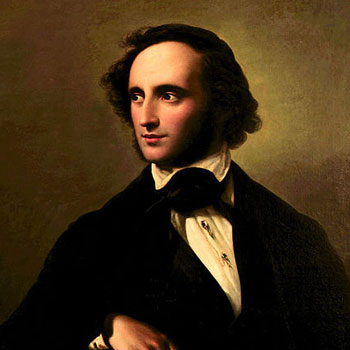
For 25 years I’ve wanted to perform the Mendelssohn Octet (double quartet) at NCMF. This summer I’ll finally get the chance to share it with you. IT IS SO GOOD. One of the most adored works in all of chamber music - affectionately referred to by colleagues as the Mocktet - the Mendelssohn will share our final concert in August with yet another octet by Shostakovich (referred to, of course, as the Shocktet).
The Mendelssohn is one fantastic movement after another - an astonishing piece that is about as close to perfection as music can get. I will personally refund your ticket if you don’t have a huge grin at the end of the piece. Not a note is out of place and even the slow second movement can’t help but feel joyful in its uniquely dark sort of way. This is all the more annoying because Mendelssohn was only 16 when he wrote it (yes, that's disgusting). He gave the score to his violin teacher for his birthday.
Imagine being handed the manuscript to one of the greatest pieces of chamber music as a birthday present.
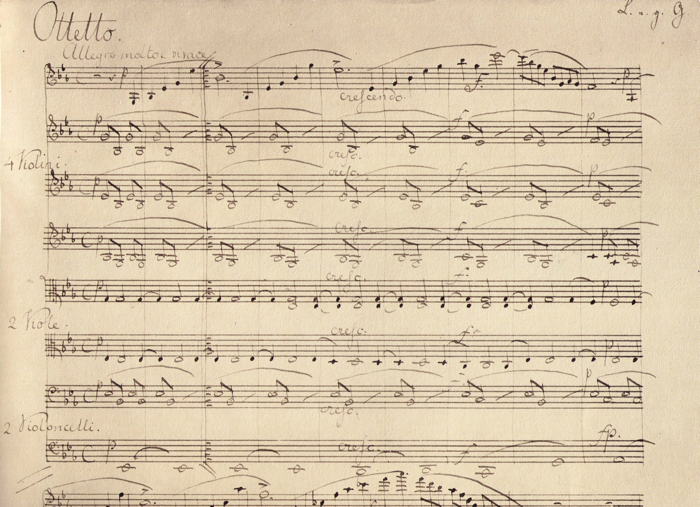
The Mendelssohn speaks for itself – brilliant, lyrical first movement; darkly introspective second movement with a stormy middle section; a classic effervescent third movement Mendelssohnian scherzo; fourth movement a rip-roaring-bring-the-house-down fugue that should be played as fast as humanly possible.
My old buddy Michael Johns wrote up program notes for the concert-opening Shostakovich octet, which isn't as well known. We’re incredibly fortunate to have the Miró String Quartet, one of the world’s great ensembles, joining the other festival artists in this performance of double double string quartets. Tickets will be going on sale soon.
David Yang, Artistic Director
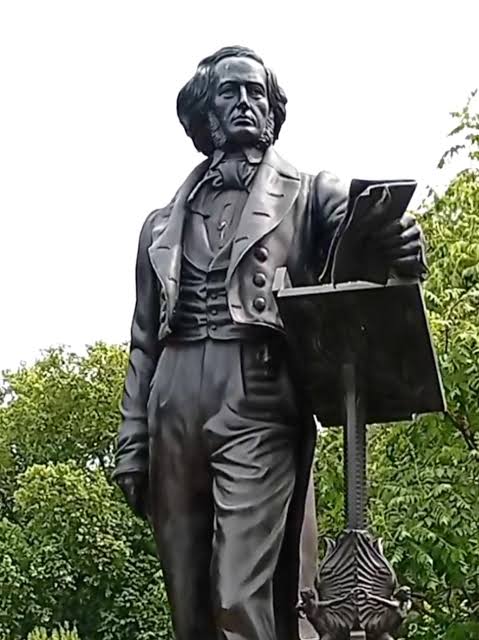
Two remarkable octets share the stage on this program. During the last two centuries, compositions for the unusual double-string-quartet format have been attempted by fewer than twenty major and minor composers; none of them returned for a second try. Of this small sample size, two youthful and spectacularly promising octets stand out. At age 16, Felix Mendelssohn wrote a four-movement summation of classical style delivered with Romantic-era passion, his string octet, Op. 20.
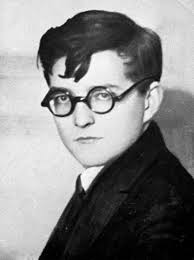
Slightly more than a century later, 19-year-old Dmitri Shostakovich wrote his own octet, Op 11, a Prelude and Scherzo of Baroque-influenced, energy-crackling modernism. Although written at the dawn of their careers, they are more than student works; the octets display comprehensive knowledge of earlier styles, forms, and techniques while speaking in their composers’ instantly recognizable, mature voices.
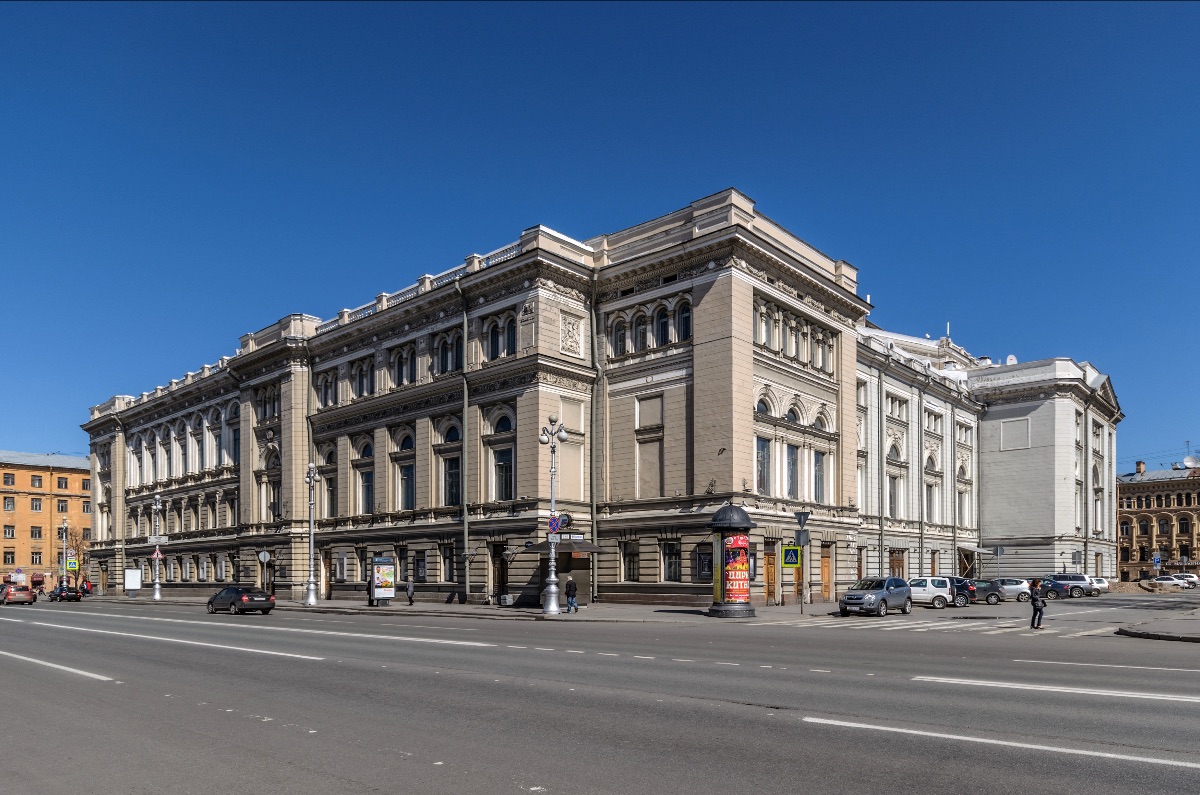
Dmitri Shostakovich entered the Petrograd Conservatory in 1919 at age 13. He received rigorous training in the traditions of the great Russian composers, but his expressive tendencies tilted toward the hyper-expression of Stravinsky and Prokofiev, a direction improvidently criticized by composition teacher Maximillian Steinberg as “wasting his talent.” The Prelude and Scherzo were initially intended to be components of a five-movement work. This never came to fruition; its gestation commingled with the composition of Shostakovich’s graduation piece, Symphony No. 1, Op. 10. Written in 1925 and premiered the following year, the symphony created a sensation that quickly earned the young composer an international reputation.
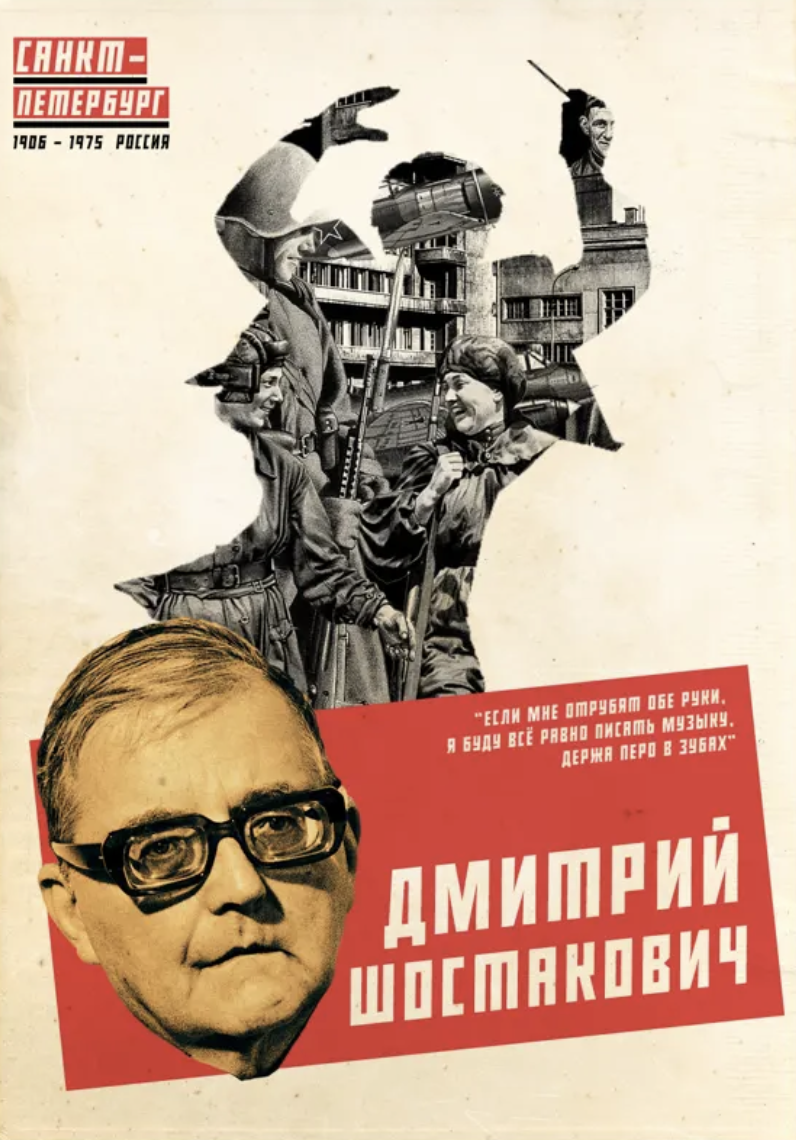
Meanwhile, the Prelude (December 1924) and Scherzo (July 1925) were composed separately, published together, dedicated to friend and poet Vladimir Kurchavov (who died of tuberculosis in 1925), and premiered in January 1927. The Octet has never been fully able to sneak out from behind the large shadow of Symphony No. 1, but the level of skill, originality, and visceral humanity therein is undeniable.

Declamatory chords nobly announce the opening of the Prelude. Mild chromaticism, motivic imitation, and a gently rising viola motive, accompanied by spectral violin triplets, create moods that are wistful and plaintive. The middle section sparkles with lighthearted, chasing-one's-tail counterpoint before morphing into a simple folk-like tune involving all eight voices in fugal counterpoint. Riotous forward motion is broken with a crash into the granitic chords of the return of the opening. Brilliant violin figurations sustain the intensity before the mood calms to a peaceful, contemplative conclusion.
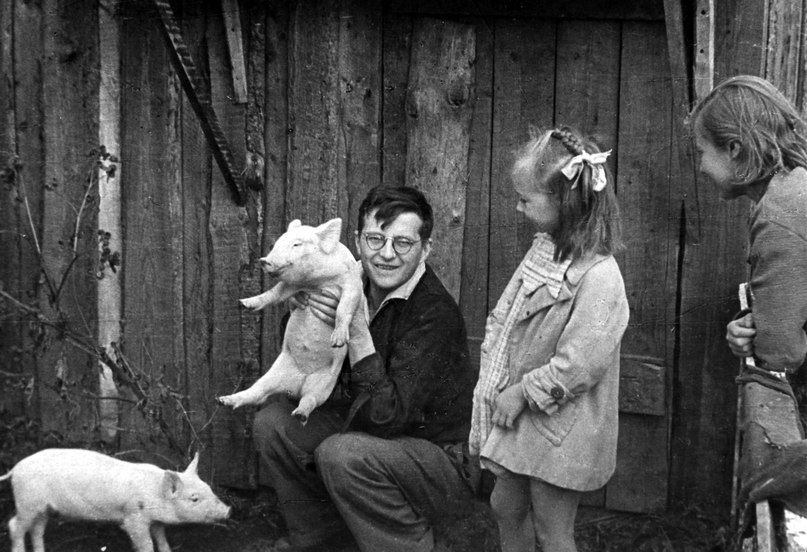
The Scherzo’s fierce, no-holds-barred introduction leads to a calm oasis, referred to by one wag as depicting a “hangover” complete with pizzicato (plucked) hiccups. Complete recovery is swift; the remainder of the movement is nonstop, high-octane Russian realism with pulsing rhythms and whistling glissandos.
Program note by Dr. Michael Johns
By
David YangHere is a list of the music that was performed last night at St. Anna's Chapel
By
David YangIs it weird that the piece I’m most excited about this summer is only three minutes long?
NCMF relies on the assistance of corporations, foundations, and most importantly, you.
Make a GiftVolunteerCorporate Sponsors


