Review of summer 2026 - "Familial Feeling Blends With Edged Repertoire At Chamber Music Fest" by Keith Powers
By
David YangA great review of summer 2026 from Classical Voice North America



NOTE: This summer we’ll be performing Haydn’s string quartet in B Minor, Opus 33, Number 1.
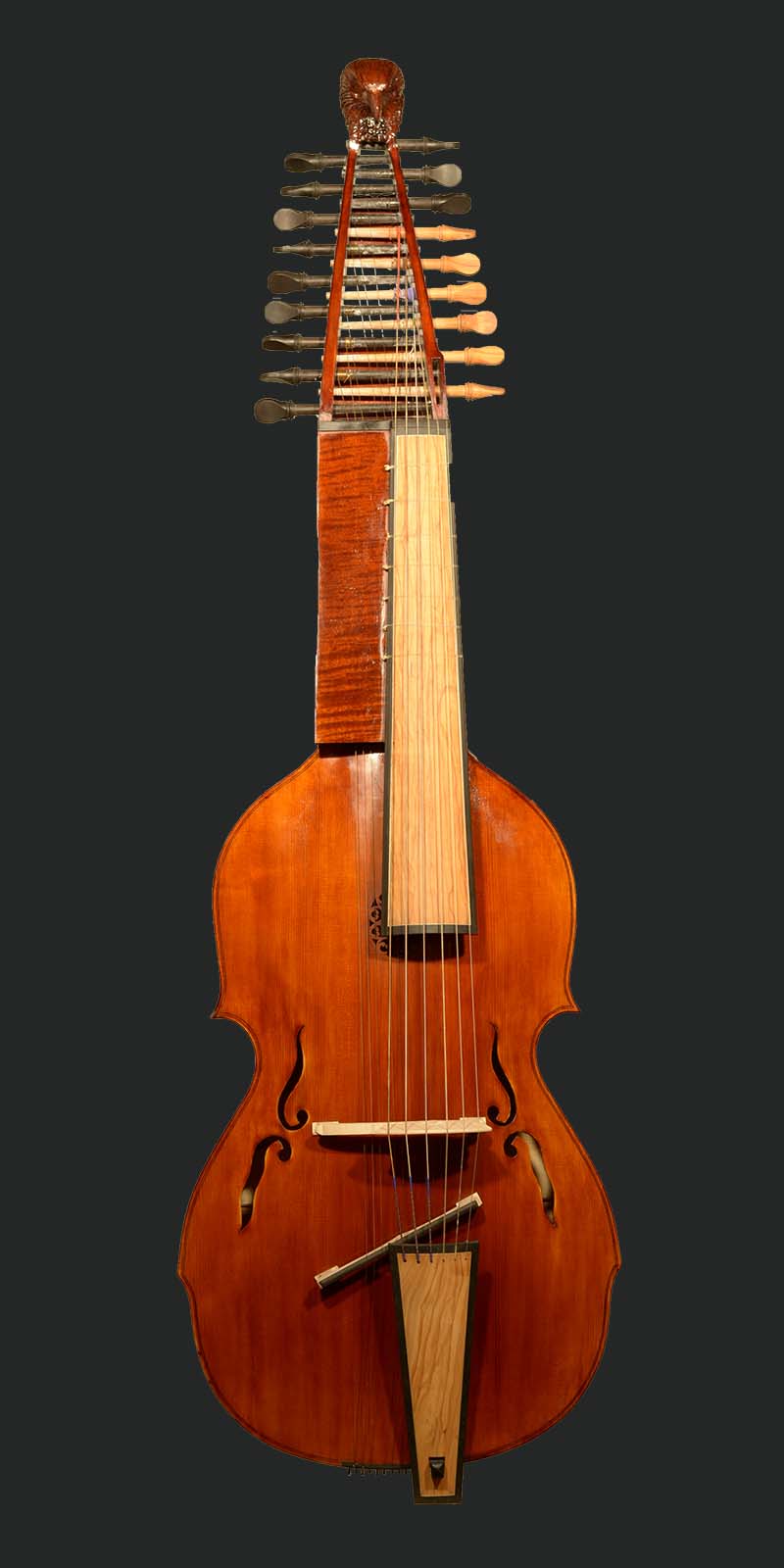
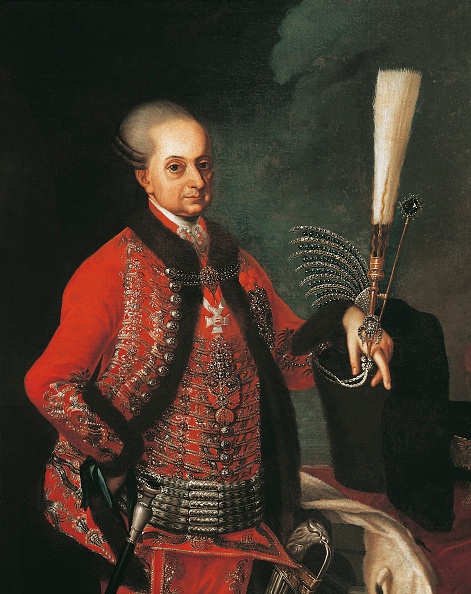
The setting: Eszterháza Palace, 60 miles from Vienna – 49-year-old composer Josef Haydn sits at his desk, putting the finishing touches on a new set of six string quartets. His patron, Prince Nicolaus Esterházy, is in the next room practicing his baryton.
The year is 1781.
Haydn was reliant on royal patronage – kings, princes, dukes, counts, even Marie Antoinette (!) - for his bread and butter, but while the Opus 33 quartets were dedicated to a Russian Grand Duke, his real audience was the vast up-and-coming middle class. These folks would eagerly line up to purchase his music at music shops in Vienna, London, and Paris so they could play it with friends at home.
In the mid 18th century people were moving to cities in unprecedented numbers. The rise of industrialization and subsequent population explosion across Europe had created a new middle class - many of whom were amateur string players - hungry for culture and impatient with conservative royal policies. Enlightenment ideals of Liberté, Égalité, Fraternité along with the loosening of the power of the church had led to a series of stunning uprisings across the continent that reached fruition in the seismic political and cultural shifts of the French and American revolutions.
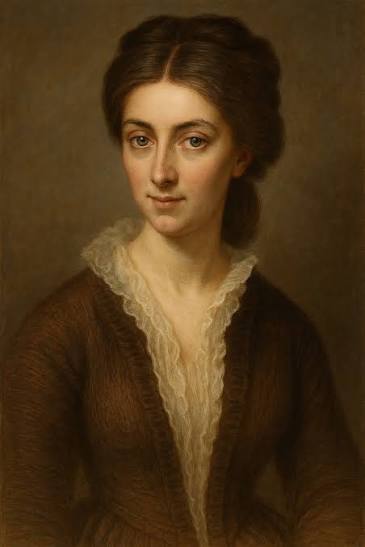
It was in this heady context that Haydn wrote his six Opus 33 quartets (we’re playing the first this summer). He hadn’t written any string quartets for ten years and a lot had changed. not least of which his patron, the baryton playing Prince, hired a young Italian singer, Luigia Polzelli, with whom Haydn began a passionate and torrid affair. The quartets began to flow.
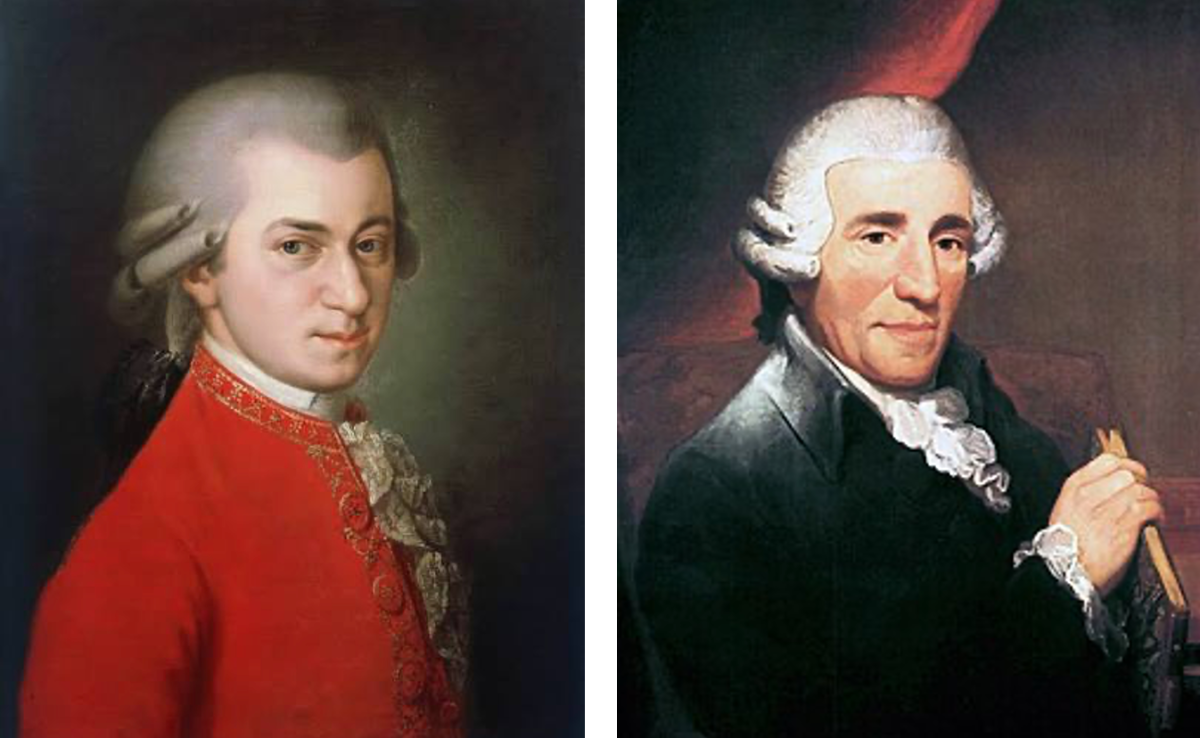
Haydn announced this new set of quartets to potential subscribers as "brand new à quadro ... written in a new and special way, for I have not composed any for ten years.” Soon after, a bright eyed and bushy-tailed 26-year-old from Salzburg arrived in Vienna to try his luck in the big city. Haydn took this talented young man under his wing, and Mozart was directly inspired by Opus 33 to compose his own set of quartets, dedicating them to his older friend and mentor, “Papa” Haydn.
Opus 33 were the first pieces Haydn (or anyone else) called “string quartets” - earlier opus numbers were referred to merely as “divertimenti.” Opus 33 was to become the apotheosis of the classical style and earn Haydn the moniker “father of the string quartet.”
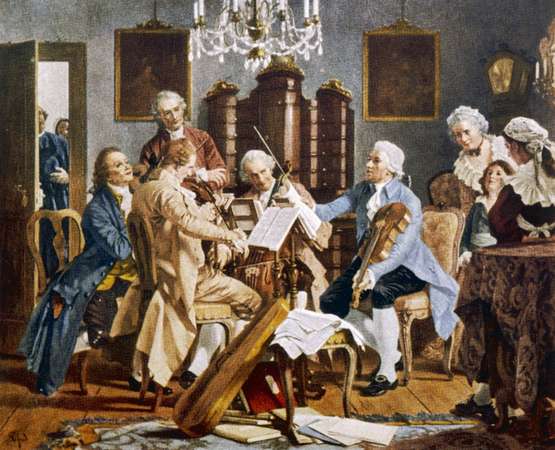
It isn’t that pieces for two violins, viola, and cello didn’t exist, but until Haydn came along, no one saw the potential for that combination to be anything other than courtly background music. Not unlike Steve Jobs and the iPhone, Joseph Haydn tapped into the Zeitgeist, saw an opening, and created something the world didn’t know they needed.
David Yang, Artistic Director
By
David YangA great review of summer 2026 from Classical Voice North America
By
David YangHere is a list of the music that was performed last night at St. Anna's Chapel
NCMF relies on the assistance of corporations, foundations, and most importantly, you.
Make a GiftVolunteerCorporate Sponsors


